
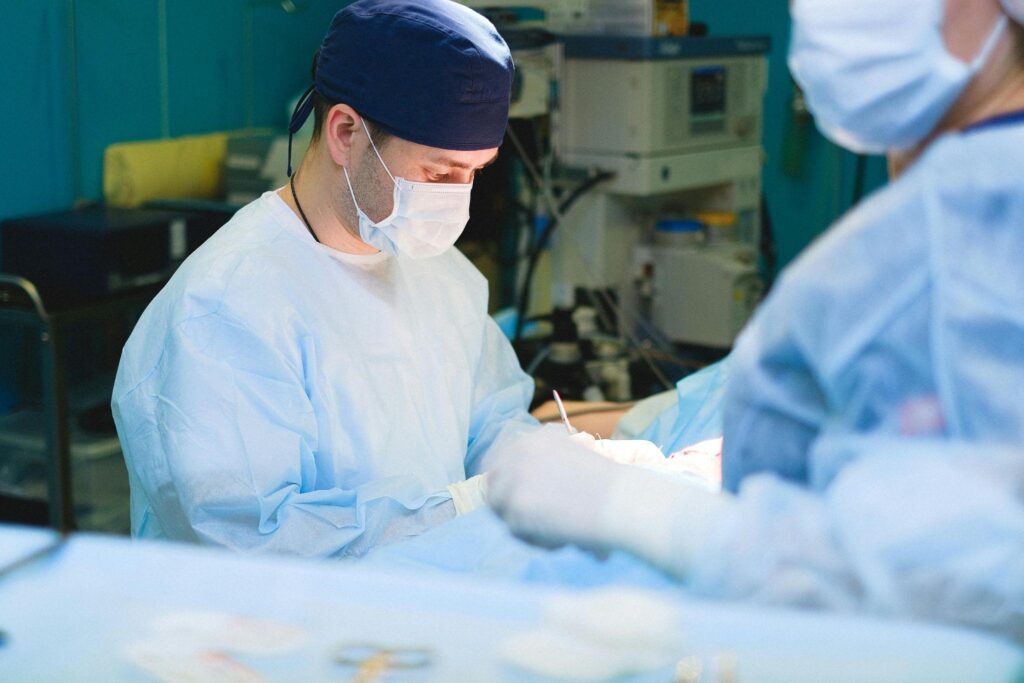
Surgical technologists are the unsung heroes of the operating room. They don’t make the incision, but they make the incision possible. Every clamp, scalpel, and sponge that enters the sterile field passes through their hands. Pursuing a Surgical Technology Associate Degree is more than a classroom exercise—it’s a gateway into one of the most precise, fast-moving roles in modern healthcare.
So, what exactly do students walk away with after completing this training? Let’s unpack the essential skills gained—and why they matter more than ever.
A Firm Grasp of Sterile Technique
In the operating room, sterility isn’t a suggestion—it’s a rule etched in stone. Surgical technology students begin their training by learning how to prevent contamination at every turn. That means mastering the art of proper handwashing, draping, and gowning, and also learning how to identify when something’s gone wrong. One unsterile instrument can turn a routine surgery into a life-threatening situation.
By the time students finish their associate program, maintaining a sterile field becomes second nature. These habits aren’t just about compliance—they’re about protecting lives when the stakes are highest.
Operating Room Protocols That Feel Like Second Nature
Every operating room runs like choreography—surgeons, nurses, anesthesiologists, and technologists all working in sync. But that rhythm doesn’t happen by accident. A surgical technologist is trained to anticipate what’s needed before it’s said aloud.
Programs instill a strong working knowledge of procedure flow. Whether it’s an emergency C-section or a routine arthroscopy, technologists learn how to prep rooms, manage instrument trays, and support the lead surgeon without hesitation. Much of this comes from hands-on clinical rotations, where theory meets real-time urgency.
Anatomy Knowledge You Actually Use
A common misstep in training is memorizing anatomy just to pass a test. That’s not the case here. Surgical technologists learn anatomy and physiology with one goal in mind: to use it in surgery.
Understanding the difference between fascia and muscle, or knowing where a specific artery lies, helps technologists pass the right tools at the right time. This isn’t surface-level knowledge—it’s foundational. When seconds count, hesitation is costly.
Communication When It Matters Most
There’s no time for long explanations in the operating room. A look, a nod, a gesture—they all have to speak volumes. Surgical technologists are trained in closed-loop communication, a technique that confirms instructions are both heard and understood. It might sound simple, but in the fog of high-pressure situations, clarity is the first casualty.
Training programs embed these habits early. Students learn how to speak up when something’s off, how to confirm a sponge count, or alert the team to an issue. Good communication in the OR doesn’t mean talking more. It means communicating effectively .
Problem-Solving in a Compressed Time Frame
No surgery goes entirely according to plan. Equipment fails. Instruments go missing. The patient’s vitals fluctuate. A surgical technologist can’t afford to freeze—they need to troubleshoot in real time.
Students are taught not just to memorize protocols, but to think critically when the unexpected happens. It might mean improvising with a different instrument or locating backup supplies while staying within sterile boundaries. These micro-decisions keep operations on track and complications at bay.
Ethics That Go Beyond the Textbook
It’s easy to think of ethics as an abstract classroom concept. But when you’re face-to-face with a sedated patient, conscious only of your responsibility to protect their dignity and data, ethics becomes deeply personal.
A reputable Surgical Technology Associate Degree program doesn’t skip this part. It weaves HIPAA standards, patient confidentiality, and ethical case scenarios into the curriculum. Students learn not just how to do the job, but how to do it right—even when no one’s watching.
A Profession on the Rise
The U.S. Bureau of Labor Statistics projects 7% job growth for surgical technologists through 2032, a rate higher than average. Factors like an aging population and advances in surgical techniques are driving the demand.
Hospitals, outpatient clinics, and surgical centers all rely on technologists to make operations efficient and safe. From a staffing perspective, a trained technologist is a necessity. That makes the skills gained in an associate program more than marketable—it’s mission-critical.
Not Just Technical—Also Practical
It’s easy to get caught up in the high-tech side of surgical work, but technologists also gain soft skills that make them effective. Time management, stress tolerance, adaptability—these aren’t buzzwords. They’re part of everyday survival in the OR.
One moment you’re setting up for a planned procedure, the next, you’re supporting a trauma team during an emergency. The ability to pivot without losing focus is what separates competent technologists from exceptional ones. That’s why programs train for variability, not just repetition.
Where It All Comes Together
If you’ve read this far, it’s probably because something about this career stands out. Maybe it’s the behind-the-scenes role, the technical complexity, or the responsibility that comes with supporting surgeons in life-altering moments.
Whatever the reason, a Surgical Technology Associate Degree is the first step toward mastering the tools, language, and rhythm of the OR. And if you’re seeking a program designed to teach all of this—without fluff or filler—Eastwick College offers a structured path to get you there.
.