
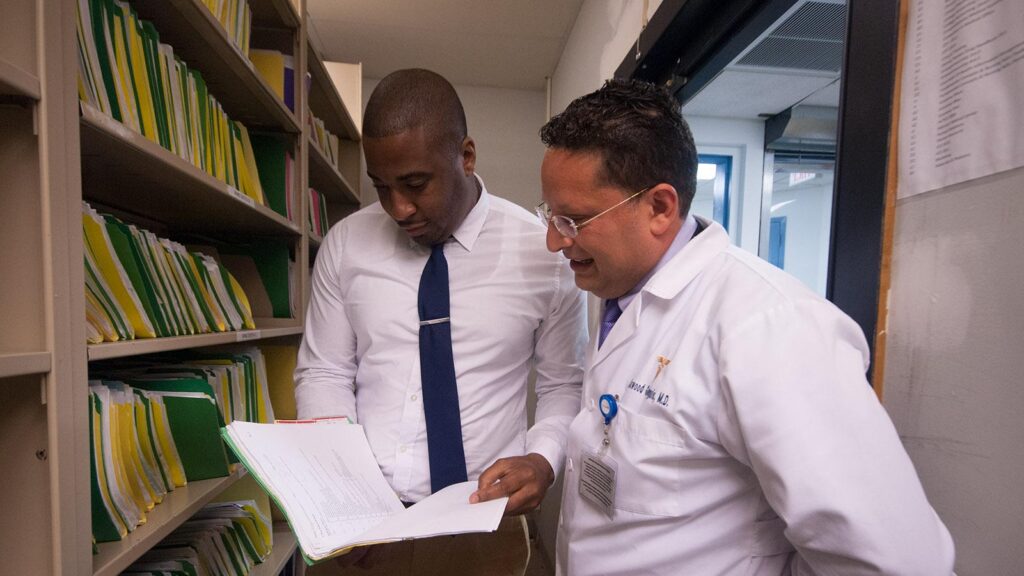
When most people think about careers in healthcare, they picture doctors in white coats or nurses rushing through hospital halls. But behind every patient visit, prescription, and diagnosis is a mountain of information—and someone has to manage it. That’s where health information technology comes in.
If you’re someone who likes organizing data, solving problems, and making sense of complex systems—but maybe doesn’t want to be in the middle of the action—this might be the perfect fit for you.
What Exactly Is Health Information Technology?
At its core, health information technology (or HIT for short) is all about managing patient records. Every time someone visits a doctor, they leave behind a trail of important information: symptoms, medical history, diagnosis, treatment plans. All of that data needs to be collected, verified, and stored correctly so it can be used when it matters most.
HIT professionals make sure that this process runs smoothly. They’re the people behind the scenes who organize medical records, ensure everything is accurate, and help healthcare teams get the info they need quickly and securely. They also handle the technical side of things—like managing electronic systems and keeping data protected.
What Do People in HIT Actually Do?
The job can vary depending on where you work, but here are some things that often come with the territory:
- Reviewing medical records to make sure everything is complete and accurate
- Using specialized software to store and organize patient data
- Talking to doctors or nurses when something in the records isn’t clear
- Assigning codes for medical procedures so that insurance companies know how to handle payments
- Following privacy rules to make sure patient information is protected at all times
In short, if something’s missing, incorrect, or out of place in a patient’s file, someone in HIT is usually the one who catches it.
Why This Field Is Growing So Fast
Healthcare has changed a lot in the past decade. Gone are the days of paper charts and overflowing filing cabinets. Everything is digital now—faster, more secure, and more efficient. But that also means there’s much more data to manage, and more pressure to get it right.
Here’s why the demand for HIT professionals is climbing:
- More patients means more records. With an aging population, healthcare usage is going up—and so is the need to keep track of it all.
- Technology is everywhere. Hospitals, clinics, and insurance companies all rely on advanced systems to manage patient data.
- Data security matters. With growing concerns about privacy, healthcare providers need people who understand how to protect sensitive information.
- Insurance and billing are more complex. Correct coding and accurate records are essential for getting claims processed and keeping things running smoothly.
All this adds up to one thing: organizations are looking for trained professionals who know how to handle health information the right way.
What You’ll Learn in a HIT Program
If you’re thinking about jumping into this field, an associate degree in HIT can help you build the skills you need to get started. Programs typically focus on both medical knowledge and technical training, so you’re prepared for the job from day one.
Here’s a taste of what you might study:
- Medical language and anatomy – so you can understand what’s being recorded and why it matters
- Healthcare laws and ethics – including how to handle patient privacy and legal documentation
- EMR software and digital tools – real-world systems you’ll actually use on the job
- Coding and billing processes – learning how procedures get translated into codes for insurance
- Record accuracy and data management – because clear correct data is the name of the game
You’ll also likely get hands-on experience with systems similar to what hospitals and clinics use, which helps you feel confident walking into your first job.
Is This the Right Path for You?
If you enjoy details, love staying organized, and are curious about healthcare—but don’t see yourself giving injections or working night shifts—this field could be a great match. HIT is a good blend of structure, purpose, and tech, and it comes with real opportunities to grow.
You’ll also be making a meaningful impact. Behind every chart is a person depending on their care team to have the right information. Your work helps make that happen.
Taking the Next Step
Getting into health information technology doesn’t require a four-year degree or a huge time investment. Many associate degree programs can be completed in less than two years, and some give you hands-on training with the same software used in the real world.
If you’re ready to explore a career that blends healthcare with technology—and you want to study close to home—consider the Health Information Technology program at Eastwick College. The associate degree is offered at their Nutley campus and includes hands-on training in electronic medical records, preparing you for this growing and rewarding field.