
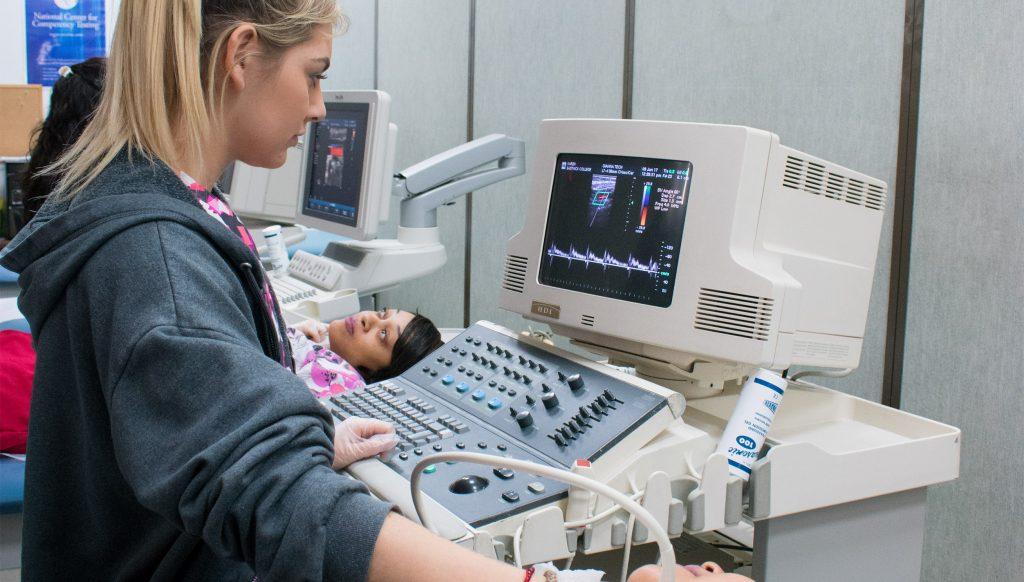
If you’re looking for a healthcare career that makes a difference without the long years of medical school, diagnostic cardiovascular sonography could be the perfect fit. You’ll be working with advanced imaging equipment, helping doctors detect heart and blood vessel conditions early, and supporting patients through important moments in their health journey. It’s a role that blends technical skill with real human connection.
What You’ll Do as a Cardiovascular Sonographer
As a cardiovascular sonographer, you’ll use ultrasound technology to create detailed images of the heart and vascular system. These images help physicians identify issues like blocked arteries, valve defects, and rhythm abnormalities. You’ll be responsible for making sure the images are clear and accurate—and that the patient is comfortable and informed throughout the process.
Your Role in a Typical Day
Your day might include reviewing a patient’s history, preparing them for their scan, performing the imaging, and working with physicians to interpret the results. You won’t just be operating machines—you’ll be part of a care team, offering both skill and compassion to every patient you see. People will rely on you for accuracy, clarity, and support during what can be an emotional or stressful time.
Why This Career Is in Demand
Cardiovascular disease is the leading cause of death worldwide, and healthcare providers are investing more in early detection and non-invasive diagnostics. That’s where you come in. The demand for trained cardiovascular sonographers is growing fast, especially as the population ages and more people need regular heart screenings. You’ll be entering a field with excellent job security and room to grow.
Where You Can Work
You’ll find opportunities in hospitals, outpatient imaging centers, cardiology offices, and mobile diagnostic units. Many sonographers enjoy the flexibility of working full-time or part-time, and some even choose roles that involve travel. No matter where you work, your skills will always be in demand—and your options will continue to grow.
What You’ll Learn in a Sonography Program
To get started, you’ll need to complete an accredited diagnostic cardiovascular sonography program. Most programs take about two years and include coursework in anatomy, cardiovascular physiology, ultrasound physics, and medical ethics. You’ll also spend a lot of time doing hands-on training in clinical settings—so you’re fully prepared to step into the role once you graduate.
Hands-On Experience That Prepares You for the Real World
Your clinical rotations are where everything comes together. You’ll work with real patients in real healthcare settings, learning how to manage equipment, handle unexpected situations, and communicate effectively with both patients and providers. This experience is one of the most valuable parts of your training—and it’s where many students say they truly find their confidence.
Certification and Credentials You’ll Need
Once you finish your program, getting certified is the next step. Most employers look for credentials like the RDCS (Registered Diagnostic Cardiac Sonographer) or RVT (Registered Vascular Technologist) through the ARDMS, or similar certifications from CCI. These credentials show that you’re qualified and ready to work at the highest professional standards.
Skills That Will Set You Apart
To thrive in this field, you’ll need to be detail-oriented and tech-savvy—but also caring, calm, and professional. You’ll be guiding patients through procedures, explaining what you’re doing, and sometimes offering comfort when they’re nervous or anxious. If you enjoy working with people and love solving puzzles, you’ll likely find this career deeply rewarding.
How You Can Grow Over Time
This isn’t a dead-end job—it’s a launching pad. As you gain experience, you can specialize further, move into supervisory or training roles, or pursue advanced education. Some sonographers choose to work in research, sales, or healthcare administration. The field is wide open if you’re ambitious and curious about where your skills can take you.
Why People Love This Career
Cardiovascular sonographers often say they love the variety in their work and the direct impact they have on patient health. You’re not stuck behind a desk, and every day brings something new. Plus, you’ll be part of a community of healthcare professionals who are all working toward the same goal: improving lives through better diagnosis and care.
What to Look for in a Sonography Program
Not all programs are created equal. When choosing where to study, make sure the program is accredited and offers strong clinical training. Look for experienced instructors, small class sizes, and support in preparing for certification exams. You want a school that sees your success as its priority—not just during the program, but after graduation, too.
How Eastwick College Can Help You Get Started
At Eastwick College, we offer an associate degree program in Diagnostic Cardiovascular Sonography that’s designed to prepare you for immediate success in the field. Our program is fully accredited by the Commission on Accreditation of Allied Health Education Programs (CAAHEP) and includes hands-on clinical rotations, expert faculty, and personalized support every step of the way. Whether you’re just starting out or looking to change careers, we’ll help you build the skills—and confidence—you need to succeed.
Take the First Step Toward a Fulfilling Career
If you’re ready to take the next step toward a career that combines technology, healthcare, and heart—literally—the Diagnostic Cardiovascular Sonography associate degree program could be the right path for you. With strong job growth, competitive salaries, and the chance to make a real impact, it’s a smart move for your future. And at Eastwick College, we’re here to guide you every step of the way.