
High job growth, salary potential in ultrasound careers
- Study close to home at our campuses in Ramsey or Nutley
- Learn how to analyze ultrasound imagery of the heart and blood vessels to help make accurate medical diagnoses
- Eastwick College offers both associate and bachelor’s degree options to help you advance your career as you gain experience in the field
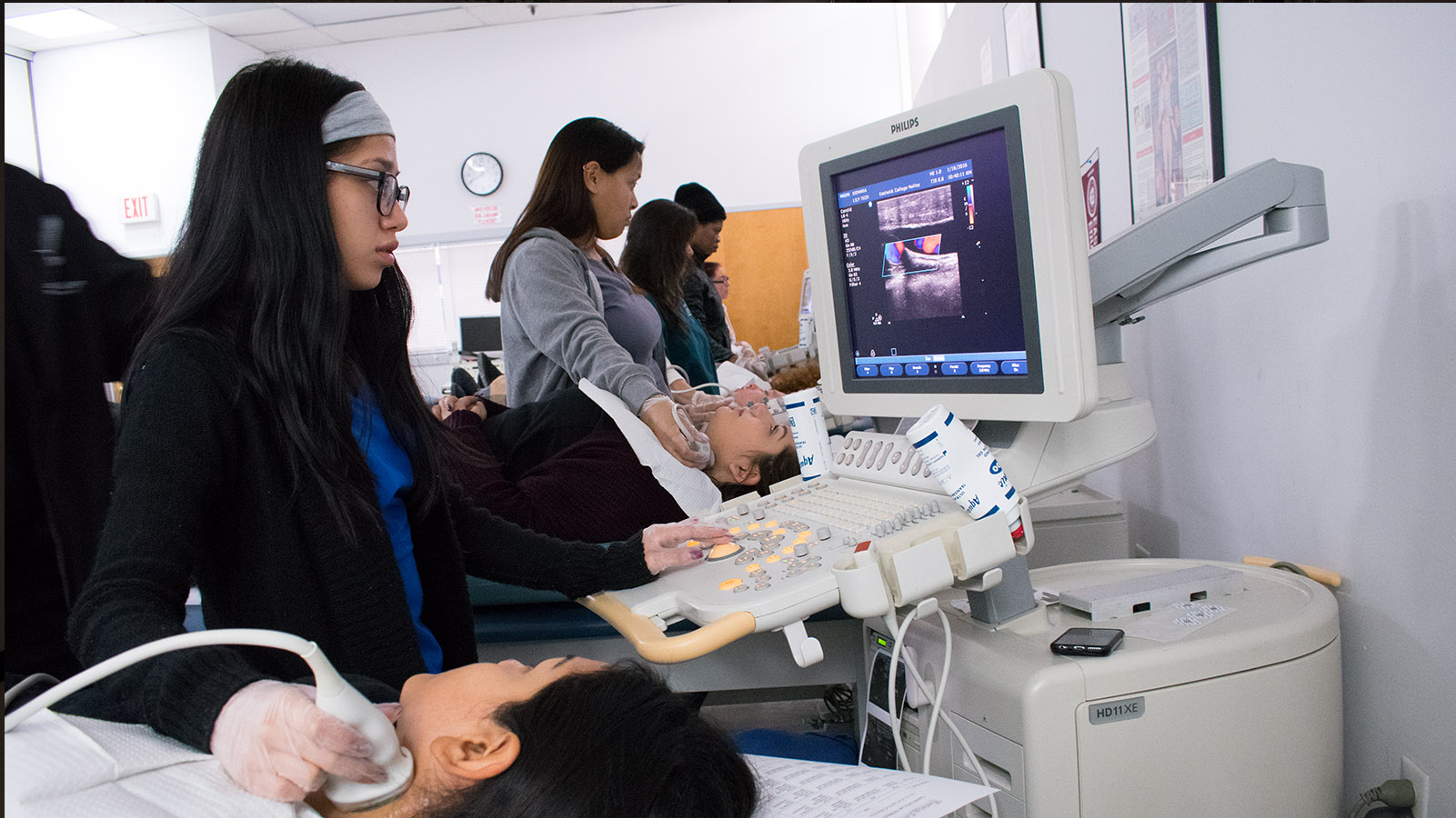
Cardiovascular sonographers use specialized equipment to create internal images of the heart and vascular system using sound waves, which bounce back and are translated into images by a computer.
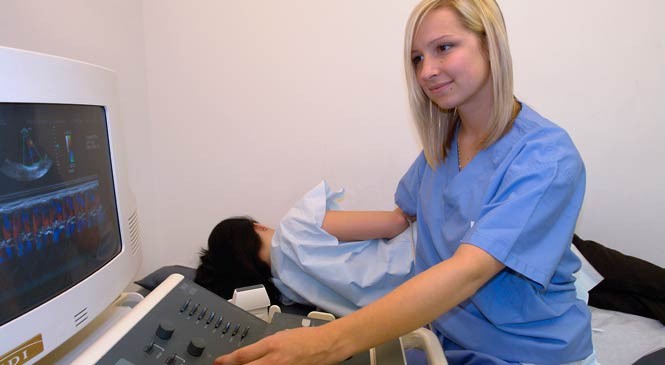
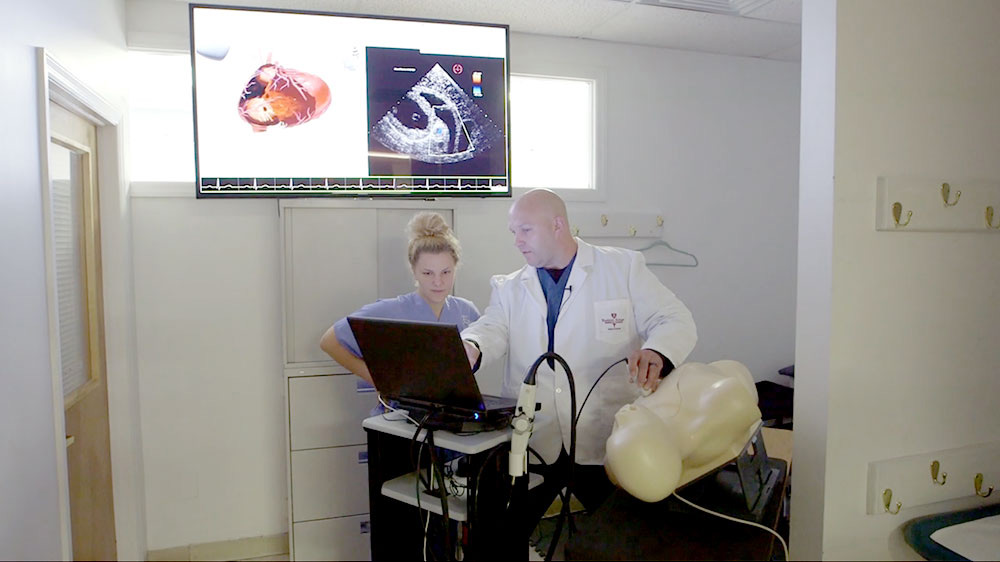
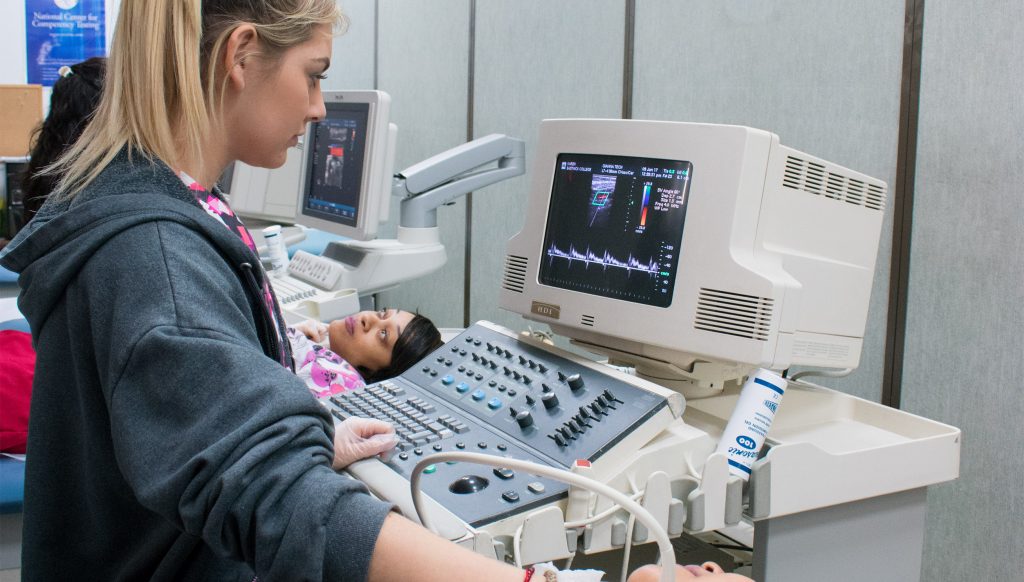
Cardiovascular sonographers work with physicians to assist in the diagnosis and treatment a variety of cardiac and peripheral vascular ailments, care for testing equipment, explain test procedures, and analyze findings to identify problems. As a student in the cardiovascular sonography program, you will study in our specialized ultrasound labs and practice on the same equipment used by many employers in the area. You will learn to check the heart for subtle differences between healthy and diseased areas, determine if scanned images are satisfactory for diagnostic purposes, and record additional medical history.
Due to the prevalence of heart disease and an aging population, graduates of this program are expected to have excellent career opportunities and average projected growth when compared with all occupations1.
1 National Center for O*NET Development. (2022). Summary report for: 29-2031.00 – cardiovascular technologists and technicians. Retrieved from https://www.onetonline.org/link/summary/29-2031.00
CV Sonography Student Handbook
Program Accreditation
Eastwick College’s AAS in Diagnostic Cardiovascular Sonography is accredited by the Commission on Accreditation of Allied Health Education Programs (CAAHEP) upon the recommendation of the Joint Review Committee on Education in Cardiovascular Technology (JRC-CVT). CAAHEP’s accreditation grant includes the programs offered at the Ramsey and Nutley campuses.
| Track | Retention | Placement | Cardiovascular Credentialing International (CCI | American Registry for Diagnostic Medical Sonography (ARDMS) | ||
|---|---|---|---|---|---|---|
| Registered Cardiac Sonographer (RCS) | Registered Vascular Sonographer (RVS) | Registered Diagnostic Cardiac Sonographer (RDCS) | Registered Vascular Technologist (RVT) | |||
| Cardiovascular Technology | 71.63% | 81.82% | 93% | —– | 98% | —– |
| Noninvasive Vascular Study | 74.59% | 78.06% | —– | 85% | 100% | |
Program Outcomes 2022-2024
| Track | Retention | Placement | Cardiovascular Credentialing International (CCI) | American Registry for Diagnostic Medical Sonography (ARDMS) | ||
| Registered Cardiac Sonographer (RCS) | Registered Vascular Sonographer (RVS) | Registered Diagnostic Cardiac Sonographer (RDCS) | Registered Vascular Technologist (RVT) | |||
| Cardiovascular Technology | 75.10% | 81.56% | 95% | 97% | ||
| Noninvasive Vascular Study | 73.20% | 79.50% | 93% | 90% | ||
FAQs: Ultrasound Technology
How to get useful images, not just pictures. You’ll practice operating the machines, setting protocols, and reading what you captured. Classes cover anatomy, physiology, patient care, and the ethics that guide clinical work.
Most employers expect ARDMS credentials. Many students sit for a core exam plus a specialty like abdominal or vascular, which signals you can meet the standards of a modern imaging department.
Hospitals, outpatient imaging centers, clinics, and physician offices. With the right training, some focus on OB/GYN, vascular, or echo.
Yes. You’ll follow FDA guidance on equipment use, keep charts and images compliant with HIPAA, and apply OSHA rules for a safe workspace. Probe disinfection, exposure limits, and accurate documentation are daily habits.
If you’re eligible, yes. Pell Grants, federal loans, and some scholarships are common. Because ultrasound supports allied health needs, workforce funds may also be available in certain regions.
Program Gallery
Program Video
Related Articles
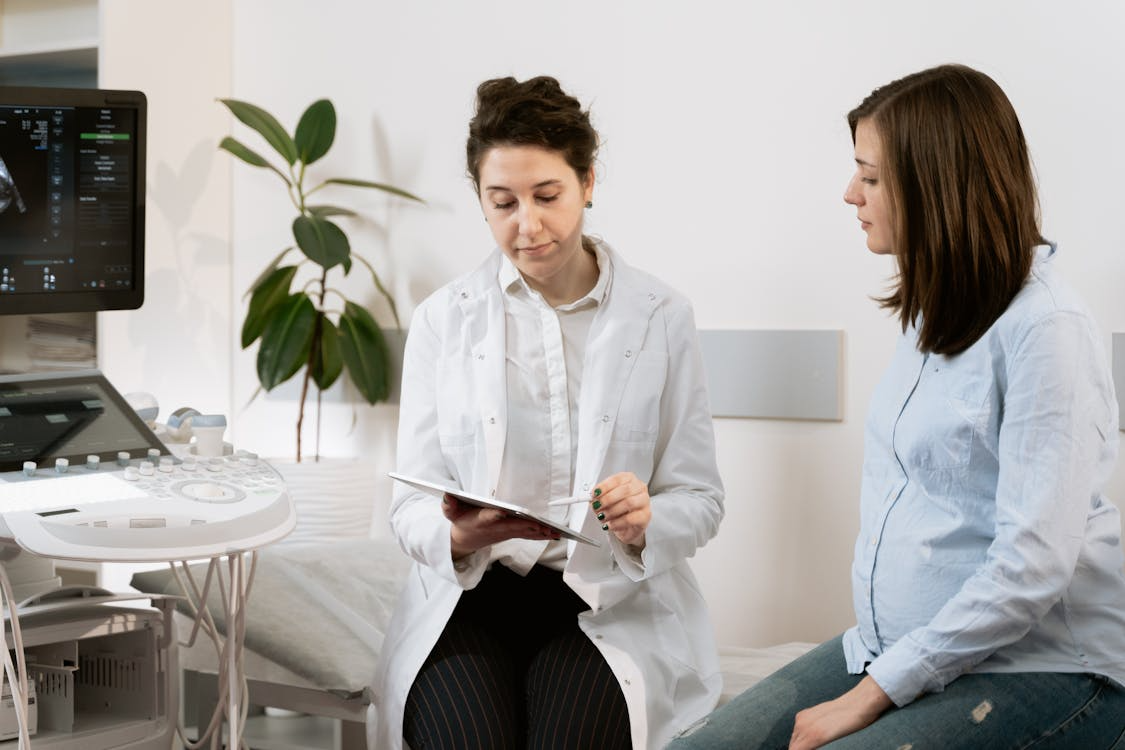
Diagnostic Cardiovascular Sonography: Classroom to Clinic
Imaging tells the story the stethoscope can’t. Clear views. Clean measurements. Calm guidance when a ...
Read More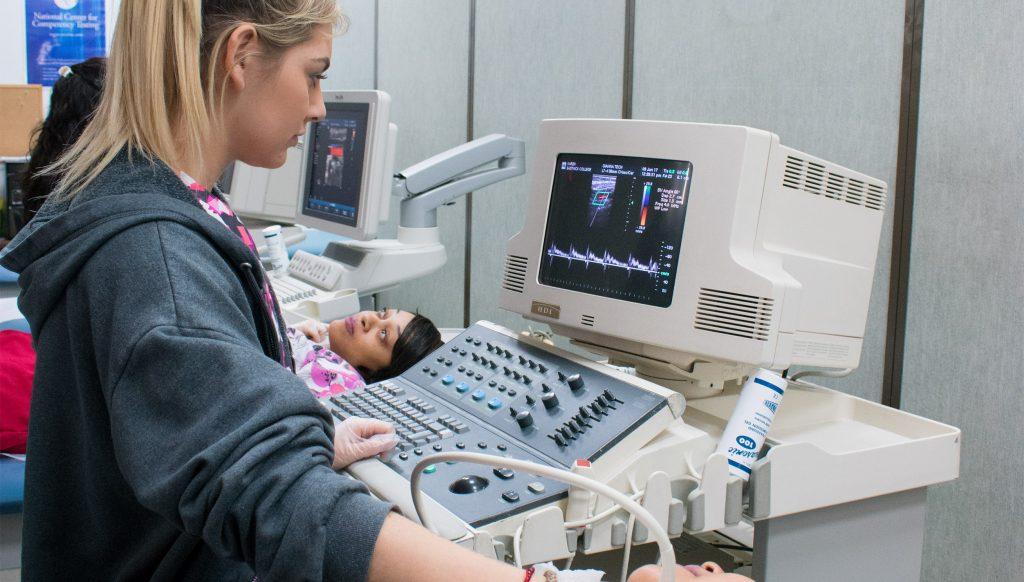
Your Future in Diagnostic Cardiovascular Sonography Starts Here
If you’re looking for a healthcare career that makes a difference without the long years ...
Read More
Start a Rewarding Career in Sonography at Eastwick College
Imagine a job where you take pictures that help doctors make important diagnoses in busy ...
Read More
Transform Your Future: Discover the Possibilities at Eastwick College
Are you ready to take the next step towards a brighter future? Eastwick College in ...
Read More
The Heartbeat of Healthcare: A Look at Diagnostic Cardiovascular Sonography Careers
A Thriving Field Diagnostic Cardiovascular Sonography (DCS) is a specialized healthcare profession that uses ultrasound ...
Read More
Surgical Technology vs. Diagnostic Cardiovascular Sonography
When considering versatile careers, jobs in the medical field are usually at the top of ...
Read More
How To Become A Diagnostic Cardiovascular Sonographer
The heart is one of the most interesting and vital parts of the human body. ...
Read More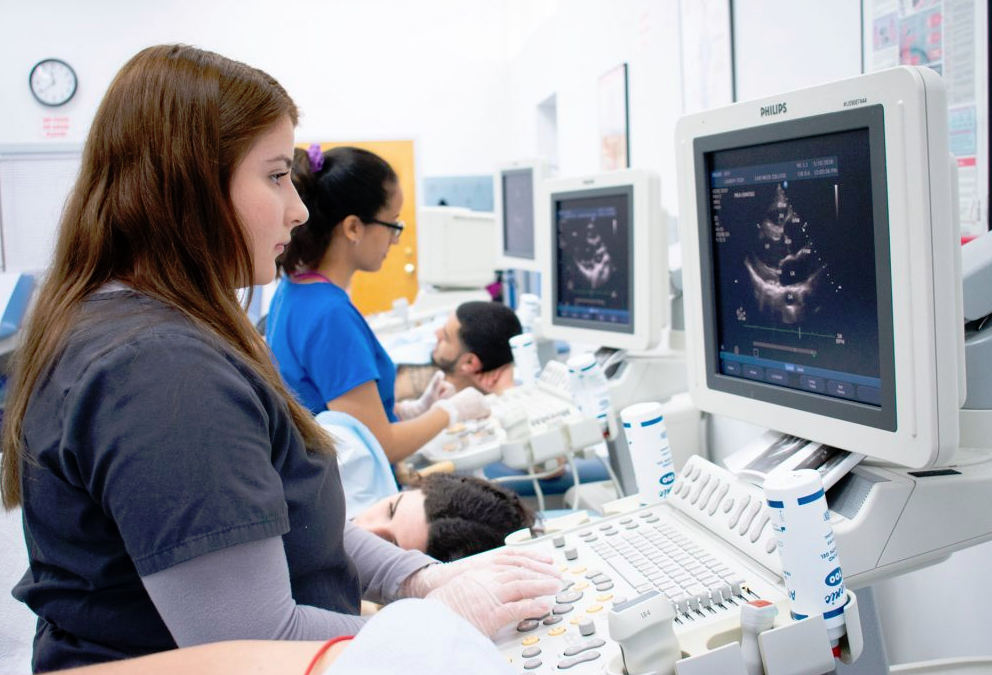
Diagnostic Medical Sonography Programs – Which is Best for Me?
If you are thinking of joining a Diagnostic Medical Sonography Program but are not sure ...
Read More