
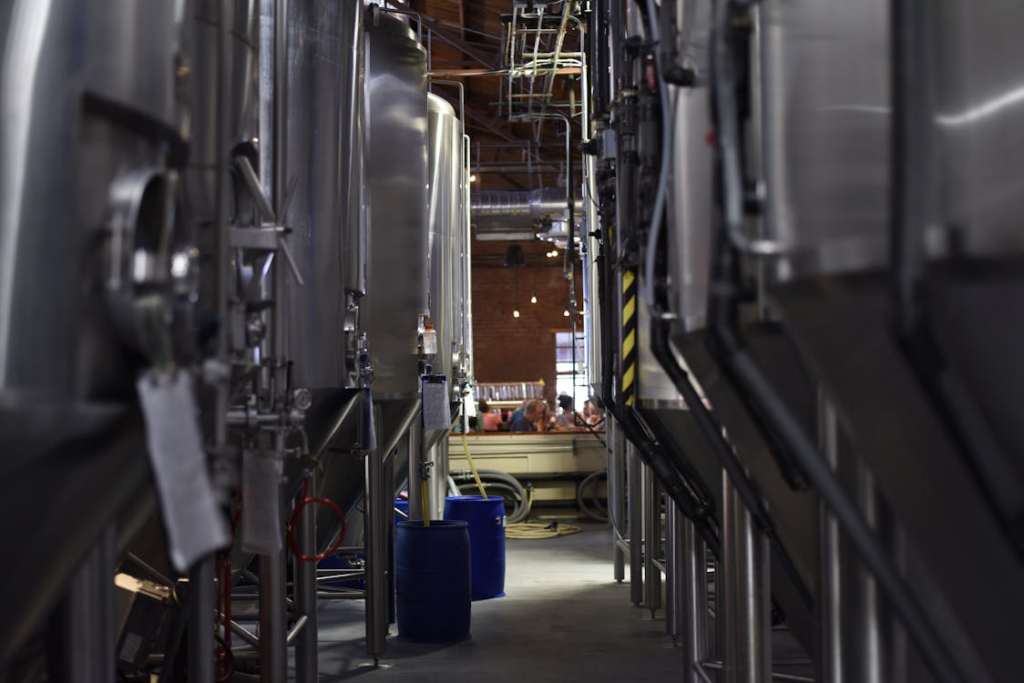
Factories do not run on guesses. They run on people who can read a print, measure cleanly, and fix a setup without turning the whole shift upside down. Manufacturing Technology gives you that mix. Safety habits first, then machining, then the quality checks that keep scrap low and deadlines real. It feels like work because it is. The aim is steady parts that meet spec, not pretty theory.
Manufacturing Technology Starts With Safety and Measurement
Lockout. Guards in place. PPE on. You learn to lift right and stage stock so nobody trips. Then the tape goes away and precision tools come out. Calipers, micrometers, height gauges. You check a dimension twice and say it out loud before you write it. Manufacturing Technology pairs those measurements with blueprint reading so symbols and tolerances mean something on the bench. A print stops being a picture and turns into steps you can follow.
Blueprints That Turn Into Parts
You will read title blocks, decode surface finish notes, and spot the single tolerance that will bite you if you ignore it. Then you trace the order of operations on a scrap sheet. Face. Rough. Finish. Deburr. The habit is simple. Plan before you cut. A five minute sketch saves a ruined piece later.
Hands On From Day One
Labs feel like a small shop. You square a block on the mill, turn a shaft on the lathe, drill and tap holes to depth without breaking a tap. Each pass ends the same way. Measure, record, adjust. By the time you move to CNC trainers, that rhythm is automatic. You set zeros, check offsets, dry run, then cut. If the first part is off a hair, you nudge the program or the setup and try again. Clean parts. No drama.
Materials Behave Differently. You Learn How
Aluminum cuts fast and gums if the chip is wrong. Stainless fights you and dulls tools quick. Plastics hate heat. Composites want support. Manufacturing Technology has you change feed, speed, and coolant to match the material in front of you. Not by guessing. By testing a small pass and reading the chip. That small check keeps tools alive and finishes clean.
Quality Control You Use Mid Process
Inspection is not a final ritual. It is a loop. Cut, check, adjust, cut. You learn go or no go checks, mic readings that you trust, and quick surface comparisons. You also learn to write numbers the same way every time. Date, operator, dimension, result. A short line in a log stops an argument later. Audits go faster when the story is already on paper.
Shop Math That Actually Shows Up
Trig for angles. Feeds and speeds for time. Thread pitch when a drawing calls for something odd. Manufacturing Technology teaches the math beside the machine so the numbers stick. You will know how to pick a drill before a tap, how to read a chart, and when to run a test cut instead of forcing a setup that does not feel right.
CNC, CAD, and CAM Without the Hype
You take a drawing, create a simple toolpath, simulate, and run. Post a code, set work offsets, verify with a probe or a feeler. If a corner leaves a burr, you adjust step over and try again. The lesson is constant. Digital tools help, but the operator’s eye still decides when a part is right. Manufacturing Technology keeps both sides in view so you can move between them without getting lost.
How Manufacturing Technology Fits Real Plants
Shops hire for accuracy and reliability. Entry roles include machine operator, CNC apprentice, or quality tech. Day to day, you set up, run parts, keep notes clean, and talk about problems in plain language. As you collect small wins, doors open. Programming. Toolmaking. Shift lead. Different plants, same base. Manufacturing Technology travels well because every industry cares about the same outputs. Repeatable parts that meet spec.
Closing Section
Manufacturing Technology turns careful planning into clean parts and smooth days on the line. Safety. Measurement. Machining. Quality. Put together in a rhythm you can repeat under pressure. If you want a direct look at the classes, labs, and shop practice that build these skills, start with the Manufacturing Technology Program with Eastwick College. It lays out the path from the first lab to a reliable operator.