
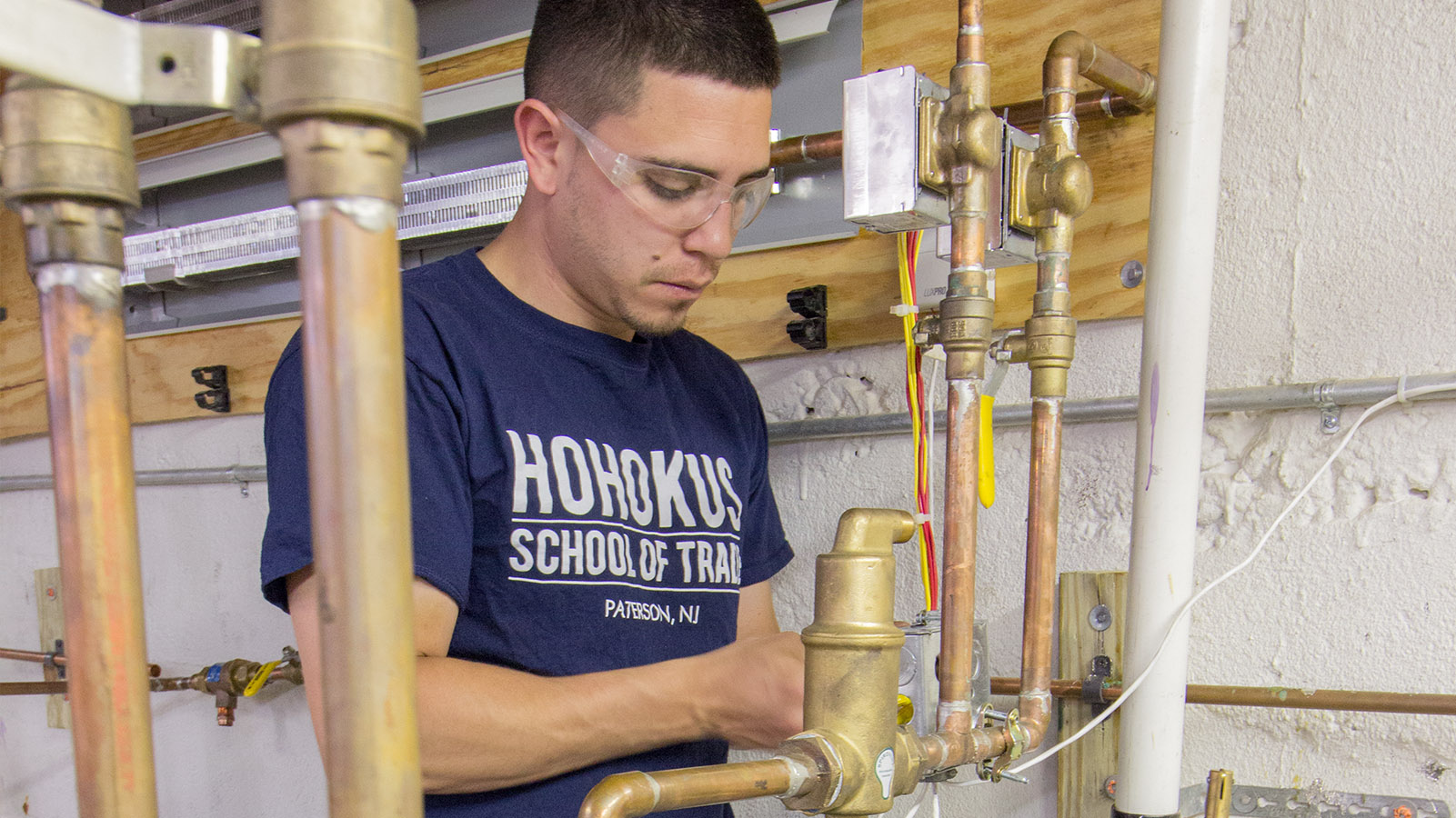
A unique plumber apprenticeship path of study
- Study close to home at our campus at our campus in Paterson
- Graduates are prepared to enter the NJPHCC’s apprenticeship program as second-year apprentices, and are eligible for OSHA 10
Plumbers are best known for showing up when a burst pipe fills the basement with water or the hot water heater fails and showers are suddenly ice cold, but residential work makes up just one part of the career, as plumbers also play a vital part in new construction and commercial settings, consulting blueprints, installing or maintaining pipe systems, and securing different types of fixtures. Professionals in this field make up one of the largest and highest paid construction occupations in the country, with excellent job opportunities.
Prepare for a career in both residential and light commercial plumbing, with training in the installation and maintenance of plumbing fixtures, drainage, vent, and waste systems, and hot water and radiant heating systems, following OSHA (Occupational Safety and Health Administration) standards for safety and building codes.
While we strive to provide students with the best tools to prepare for their careers, we cannot and do not guarantee employment.
The Occupational Information Network (O*Net), U.S. Department of Labor/Employment and Training Administration, [03/01/22] [www.onetonline.org/].
Credentialing organizations may change requirements without notice.
FAQs: Plumber Apprenticeship
How water and waste move through a building, and how to build those systems safely. You’ll cover pipe installation, reading plans, drainage and supply, welding or soldering where needed, and the local code that governs every step.
In most states, yes. The path usually includes an approved apprenticeship, hours logged under supervision, and a state exam. Licensing proves you can handle residential and commercial systems without guesswork.
They usually start out with plumbing companies, construction crews, or even city water departments. First jobs tend to carry titles like assistant, helper, or maintenance tech before moving up into more specialized roles.
Yes. Expect OSHA topics like PPE, confined spaces, ladder safety, and hazard recognition. Safe habits matter in crawl spaces, trenches, and mechanical rooms.
Often. Students may qualify for Pell Grants, federal loans, and workforce grants that help cover tuition and tools for the skilled trades.
Program Gallery
Program Video
Related Articles
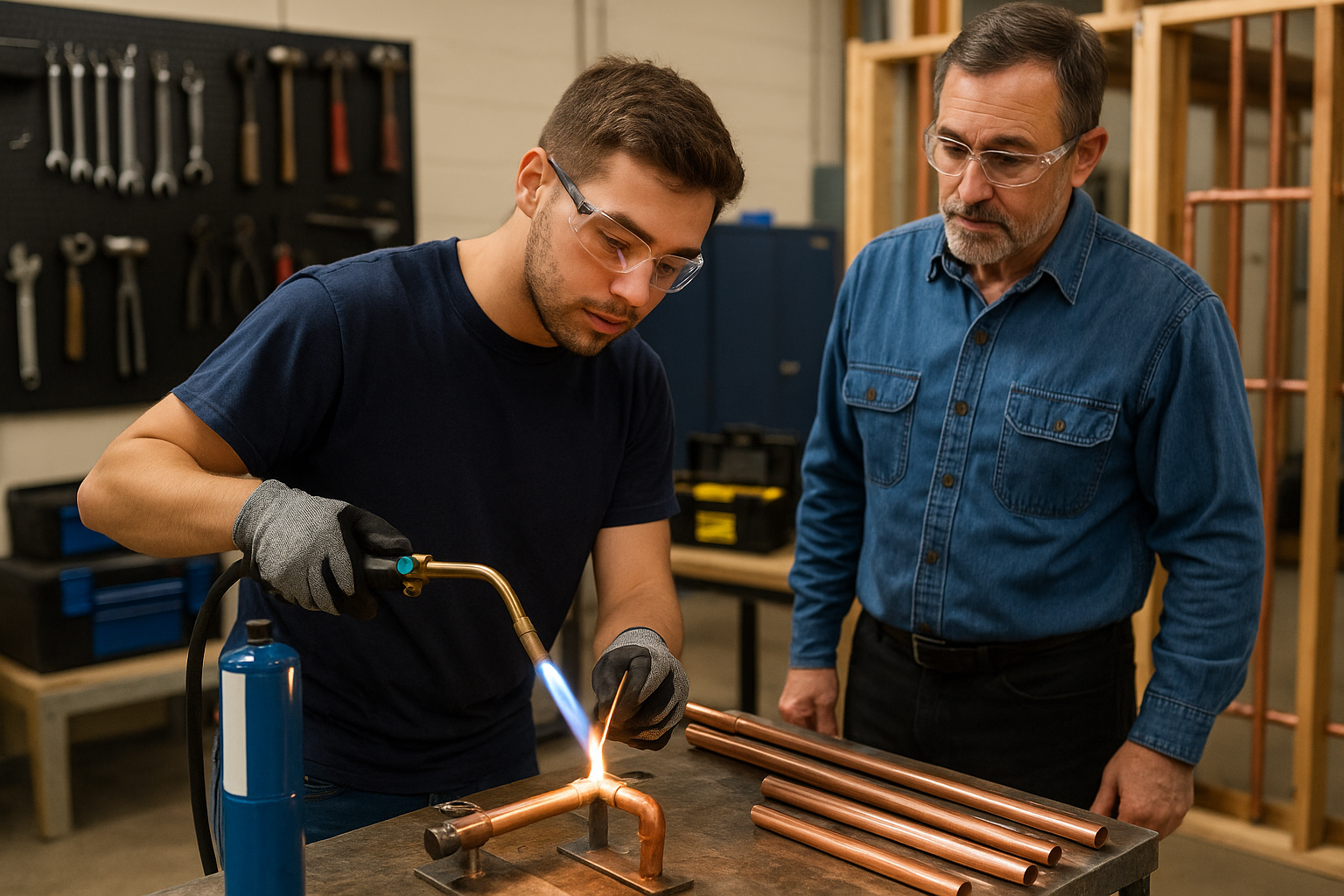
How a Plumber Apprenticeship Prepares You for Job Sites
Water in, waste out, gas safe. That promise lives behind every quiet fixture and clean ...
Read More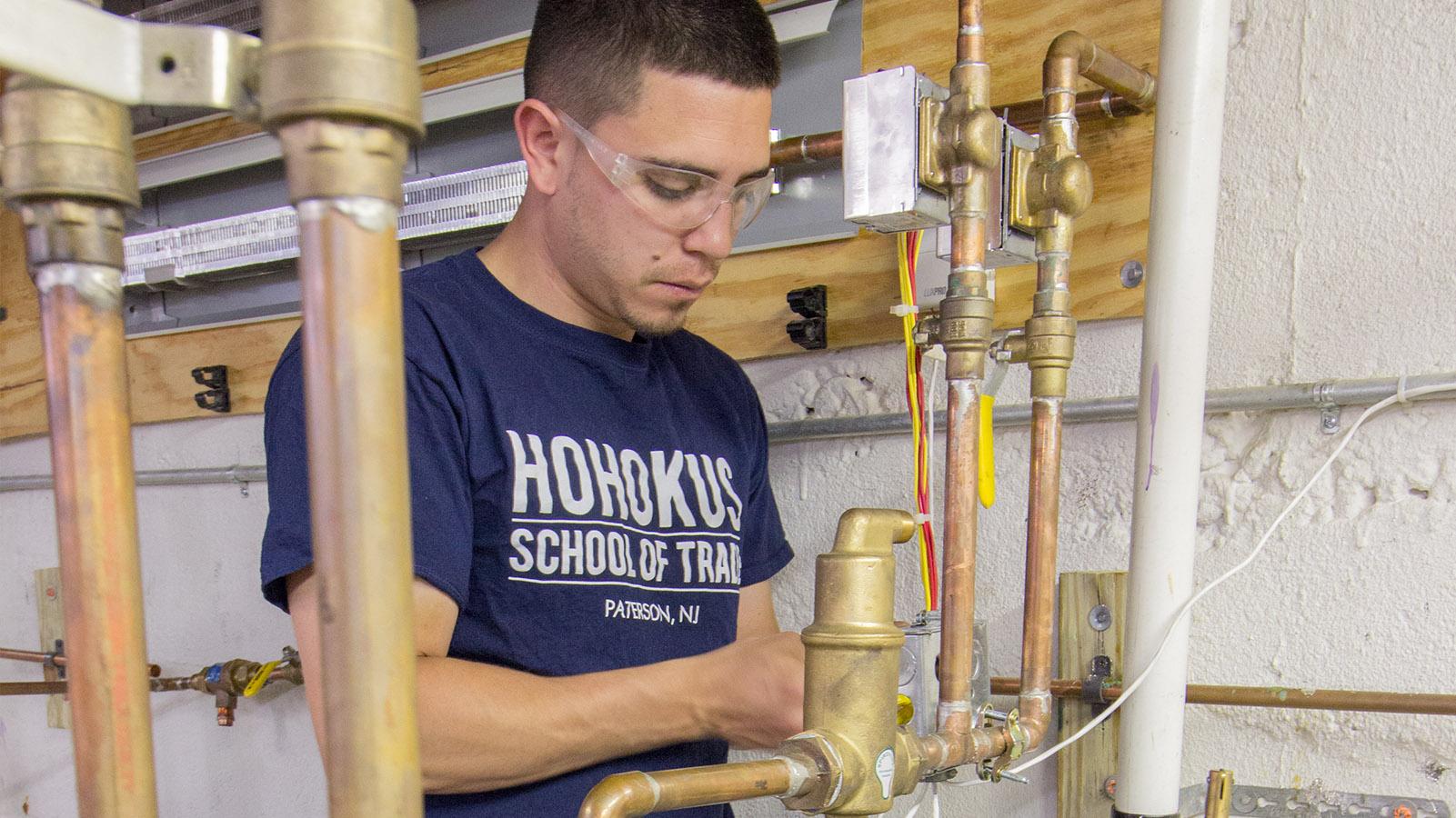
Career in Plumbing: Apprenticeship to a Trade
Plumbing is more than unclogging drains or tightening a faucet. It’s a trade that keeps ...
Read More
Facilities Management: A Skilled Trade with Strong Career Potential
Every building you enter—be it a bustling school, a quiet office, a busy hospital, or ...
Read More
Exploring the Exciting Prospects of a Plumbing Apprenticeship
Embarking on an apprenticeship is one of the most direct and impactful ways to acquire ...
Read More
Unlocking Career Success: The Path of a Plumber Apprentice
Embarking on an apprenticeship in any trade is an excellent way to gain the hands-on ...
Read More
Transform Your Future: Discover the Possibilities at Eastwick College
Are you ready to take the next step towards a brighter future? Eastwick College in ...
Read More
What’s Required To Become An Electrician?
Embarking on a career as an electrician offers an exciting journey into one of today’s ...
Read More
Exploring the Exciting Prospects of a Plumbing Apprenticeship
An apprenticeship in any field is an incredible opportunity to acquire the skills and knowledge ...
Read More