
Train to become a licensed practical nurse (LPN)
- Study close to home at our campus in Ramsey, Hackensack, and Nutley
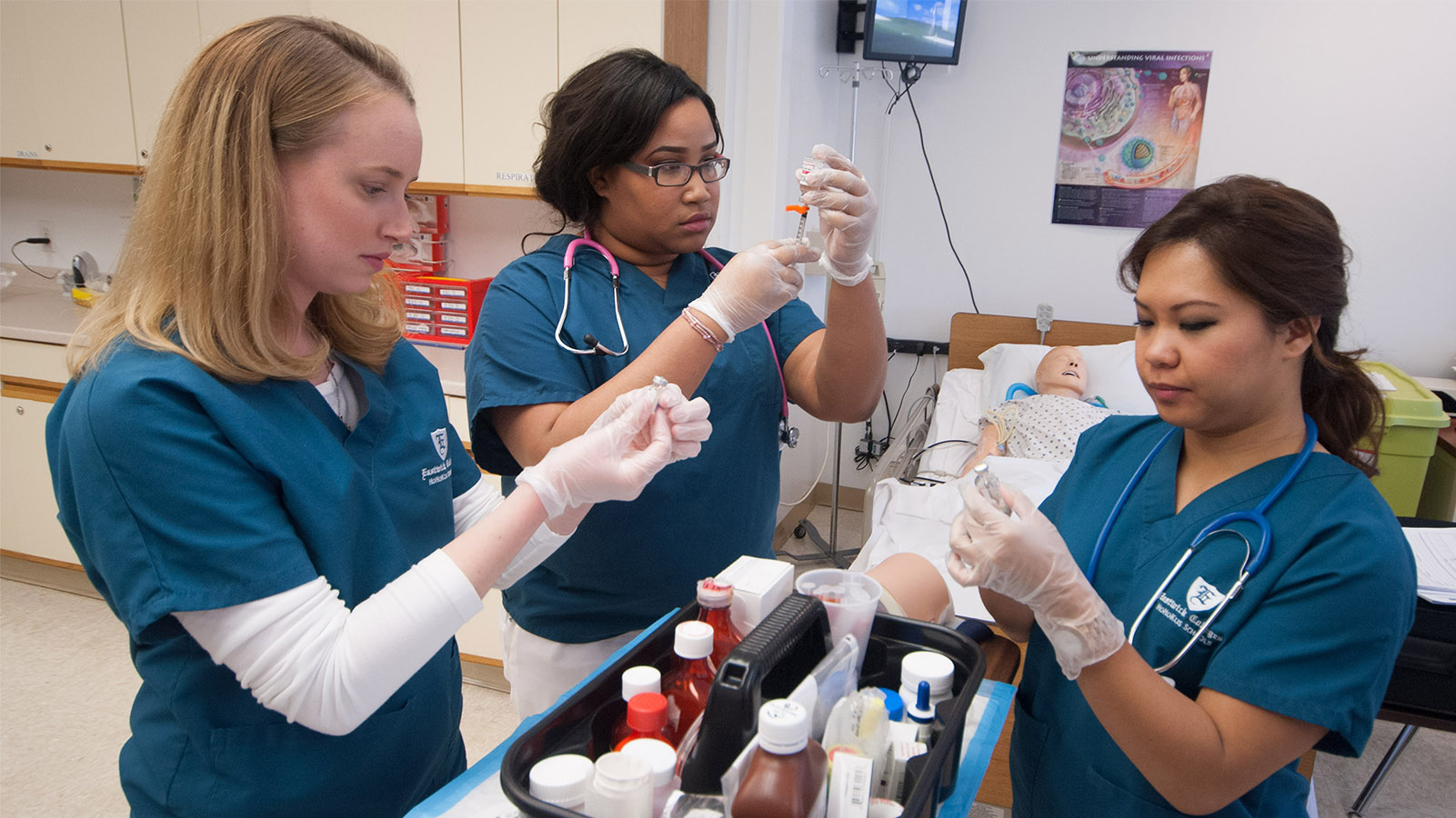
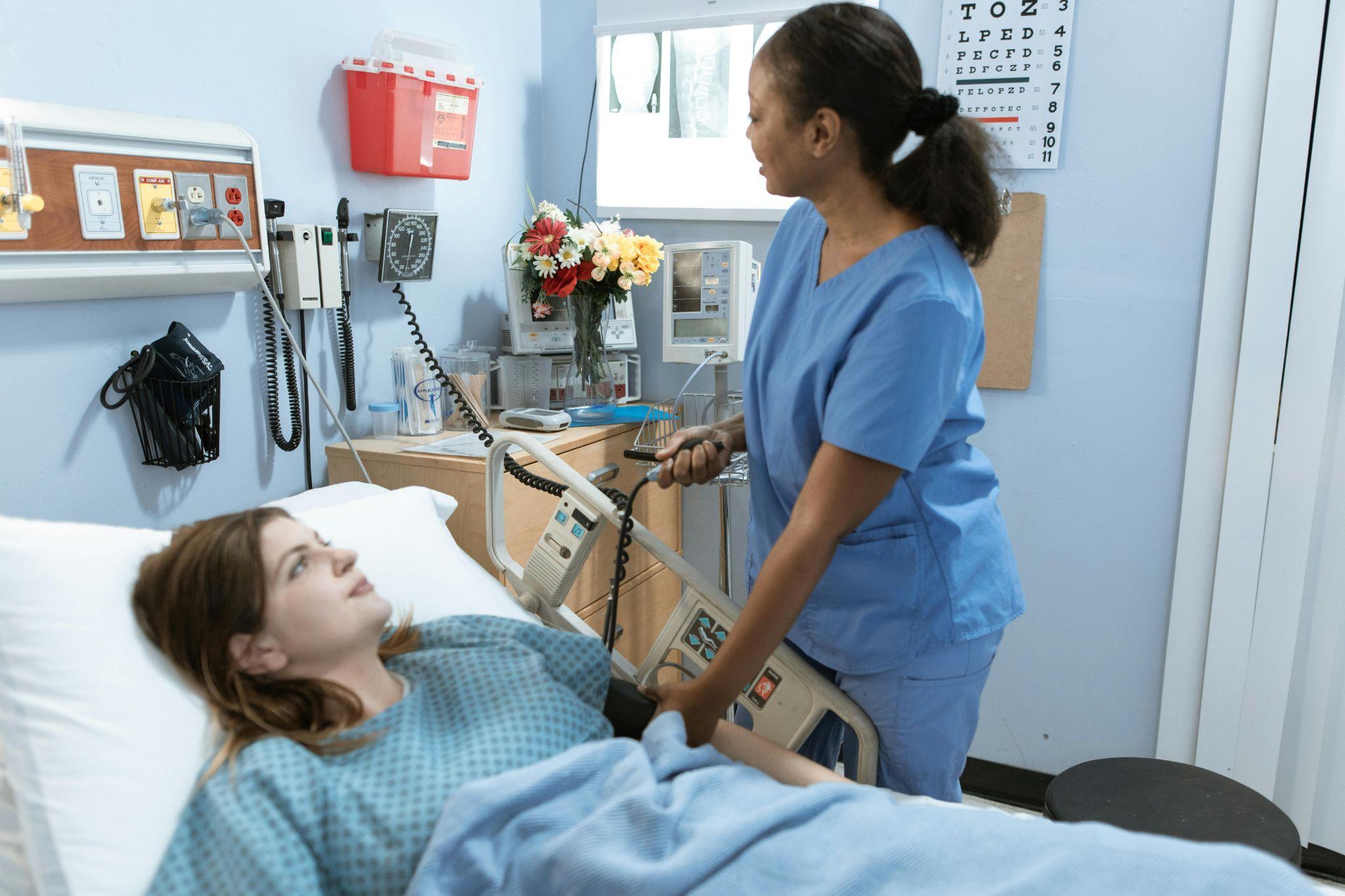
- Learn how to take vital signs, make physical assessments of patients, administer medication, and provide intravenous therapy
- Eastwick College was recently ranked in top 3% of nation’s nursing schools by Nursing Almanac
Our nursing program fully prepares you to begin a career as a licensed practical nurse. We stand out from many other nursing schools in the area as we provide clinical rotations for all of our LPN students as part of their schedule.
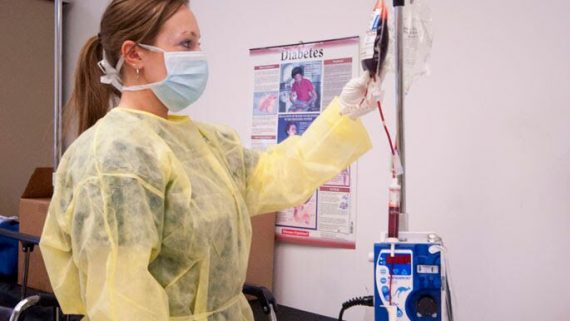
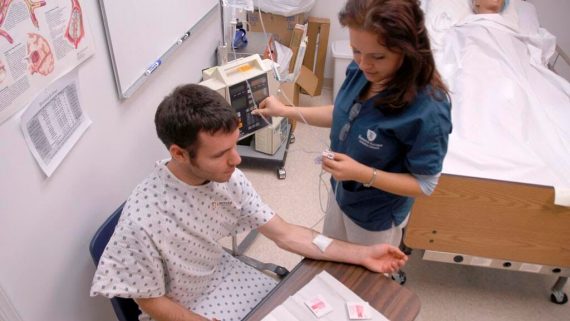
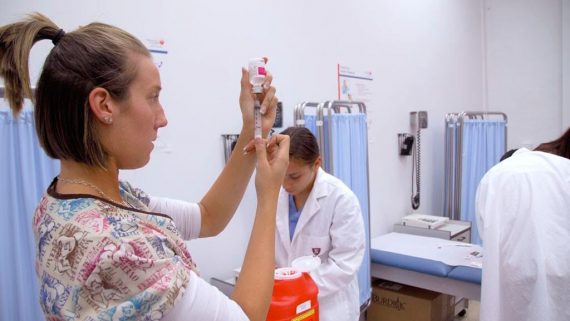
The LPN program at Eastwick College features specialized lab setting classrooms that are designed to emulate many of the conditions and procedures you’ll encounter in your new career as a nurse. Skills covered in hands-on training approach include: vital signs, ambulation and transfer assistance of patients, physical assessment, wound care, tracheostomy care, ostomy management, intravenous therapy, cauterization, and medication administration.
Catalog Excerpt
The objective of the Licensed Practical Nursing Science program is to prepare an individual to enter the medical field in the capacity of an entry-level licensed practical nurse (LPN). Opportunities exist in the hospital setting, long-term care facilities, nursing homes, subacute facilities, school nursing, adult day health care centers, and home care.
Upon successful completion of the program, Eastwick College will award the student a Diploma in Licensed Practical Nursing.
While we strive to provide students with the best tools to prepare for their careers, we cannot and do not guarantee employment.
Credentialing organization may change requirements without notice.
Restart Plan for Nursing Programs
FAQs: Licensed Practical Nursing
Hands-on patient care under the direction of an RN or physician. You’ll monitor health changes, give medications, dress wounds, and support daily living. LPNs work in hospitals, clinics, and long term care, but the day to day always comes back to safety and comfort.
Finish a state approved program, complete infection control coursework, and pass the NCLEX-PN. Many states also run a background check and may require extra training modules. Check your board early so nothing delays your license.
State boards set scope, but you still follow big rules like HIPAA for privacy and OSHA for safe workplaces. If you work in a federally funded facility you may take additional compliance training.
Steady. Demand is strong in long term care, rehab, outpatient clinics, and home health. Those settings rely on LPNs for consistent bedside care.
Often, yes. Students may qualify for Pell Grants, federal loans, or healthcare-specific scholarships. Some states provide added grants to support nursing education where the need for staff is greatest.
Program Gallery
Program Video
Related Articles
Become a Practical Nurse and Make a Real Difference Every Day
Not everyone wants to sit behind a desk all day. Some people are wired to ...
Read More
Essential Skills Every Licensed Practical Nurse Needs for Success
Licensed Practical Nurse (LPN) is a fulfilling and crucial role in the healthcare industry. LPNs ...
Read More
Cultivating Compassionate Caregivers: The Eastwick Approach to Nursing Education
In the rapidly evolving world of healthcare, the demand for highly skilled and compassionate nurses ...
Read More
Transform Your Future: Discover the Possibilities at Eastwick College
Are you ready to take the next step towards a brighter future? Eastwick College in ...
Read More
Steps to Success: Navigating the Nursing Admissions Process at Eastwick College
Pursuing a career in nursing is a commendable and rewarding choice, and Eastwick College is ...
Read More
The Journey to a Rewarding Career: Eastwick College’s Bilingual Licensed Practical Nursing Program
Embracing Diversity in Healthcare: Eastwick College’s Innovative Approach In today’s globalized world, the demand for ...
Read More
Ignite Your LPN Journey: Learn These Essential Skills for Success
Being an LPN is an exhilarating and vital role. As nurses, LPNs delve into the ...
Read More
The Job Duties of a Licensed Practical Nurse (LPN)
Licensed Practical Nurses (LPNs) and other medical personnel have an important role in our society. ...
Read More