
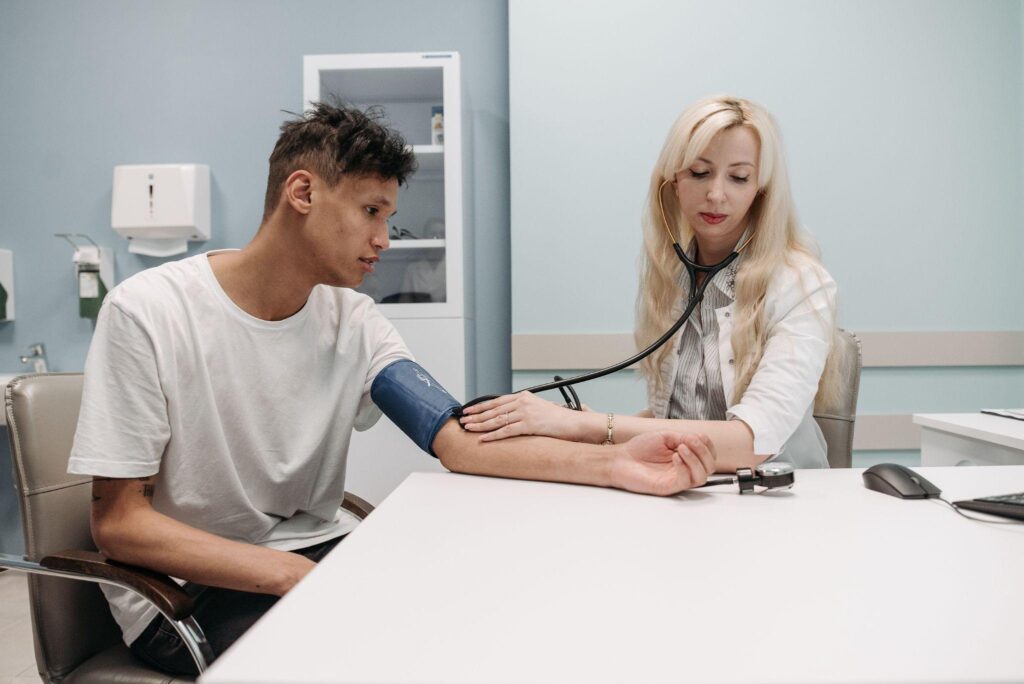
Hospitals and clinics run on steady hands, a welcoming reception, vitals taken properly the first time, a calm transfer when someone feels dizzy–a Patient Care Technician responds to those moments with care and efficiency. You learn bedside skills, equipment basics, and the procedures that keep units running smoothly even on a busy shift. If you want direct patient contact with clear responsibility, this role puts you at the center of care.
What a Patient Care Technician Does on a Busy Shift
The Patient Care Technician day follows a reliable system. Round on assigned patients, verify two identifiers, and take vitals with proper cuff size and clean technique. Support mobility with safe transfers, help with bathing and grooming, and prep rooms for new admits. You set up EKGs, collect specimens, and record intake and output without rounding. Then you document the results accurately so the next person reading the chart can make informed decisions. These steady steps allow for proficient patient care.
Skills You’ll Use Every Single Day
Think in sequences.
• Vitals: blood pressure, pulse, respirations, temperature, pulse oximetry, pain scale.
• Mobility: bed mobility, sit to stand, short assisted walks with a gait belt.
• Comfort care: repositioning, fresh linens, oral care, and fall risk checks.
• EKG: lead placement, artifact reduction, and quick labeling.
• Phlebotomy: identity check, order match, clean draw, label at bedside.
In each task, the Patient Care Technician aims for repeatable quality. Same steps, same order, fewer errors.
Communication That Lowers Stress
Patients read tone first. Introduce yourself, explain the task in simple terms, and ask a single check question. Use teach back for home instructions and record the response in your notes. If a patient looks unsteady or confused, prepare them for what will happen next before you move them. When a family member feels lost, offer one concrete update and route clinical questions to the nurse. Calm language prevents frustration.
Documentation That Protects Care
Notes are part of the clinical work, not extra chores. Chart in real time whenever possible. Use approved abbreviations and record only what you observed. Vitals with times, mobility with assistance level, intake and output totals, skin checks with location. The Patient Care Technician builds a timeline others can trust, which makes handoffs faster and reduces call backs.
EKG and Phlebotomy Without the Drama
For EKGs, you learn proper skin prep, landmarking, and how to reduce noise from motion or poor contact. Always label and, always confirm identity. For blood draws, the habit is verify, assemble, draw, invert, label, and scan or deliver within the time window. When something feels off, stop and ask. A thirty second pause can eliminate a re-collection.
Working the Flow With the Team
The Patient Care Technician is a vital member of the medical team. You gather data the nurse requires, report all changes during care, and close loops after provider rounds. If pain seems different, if a cough sounds wet, or if someone is short of breath on the walk back from the bathroom, you speak up with a clear, concise update. Teams proceed more efficiently when the frontline observations are precise.
Where Patient Care Technicians Work
Roles span hospitals, rehab centers, dialysis units, and long term care. Tasks can vary by setting, but the basics remain the same. Accurate vitals. Safer mobility. Clean EKGs. Reliable specimen handling. Concise notes. If you choose to advance in the field g, this experience supports future paths including Licensed Practical Nursing and other allied health programs.
Get Your Career Started
Direct care requires excellent skills performed with accuracy. For a clear overview of classes, labs, and clinical flow, start with the Patient Care Technician program at Eastwick College. It shows how training can translate into safe care, clean notes, and calm shifts.